FMA IA-58 PUCARÁ

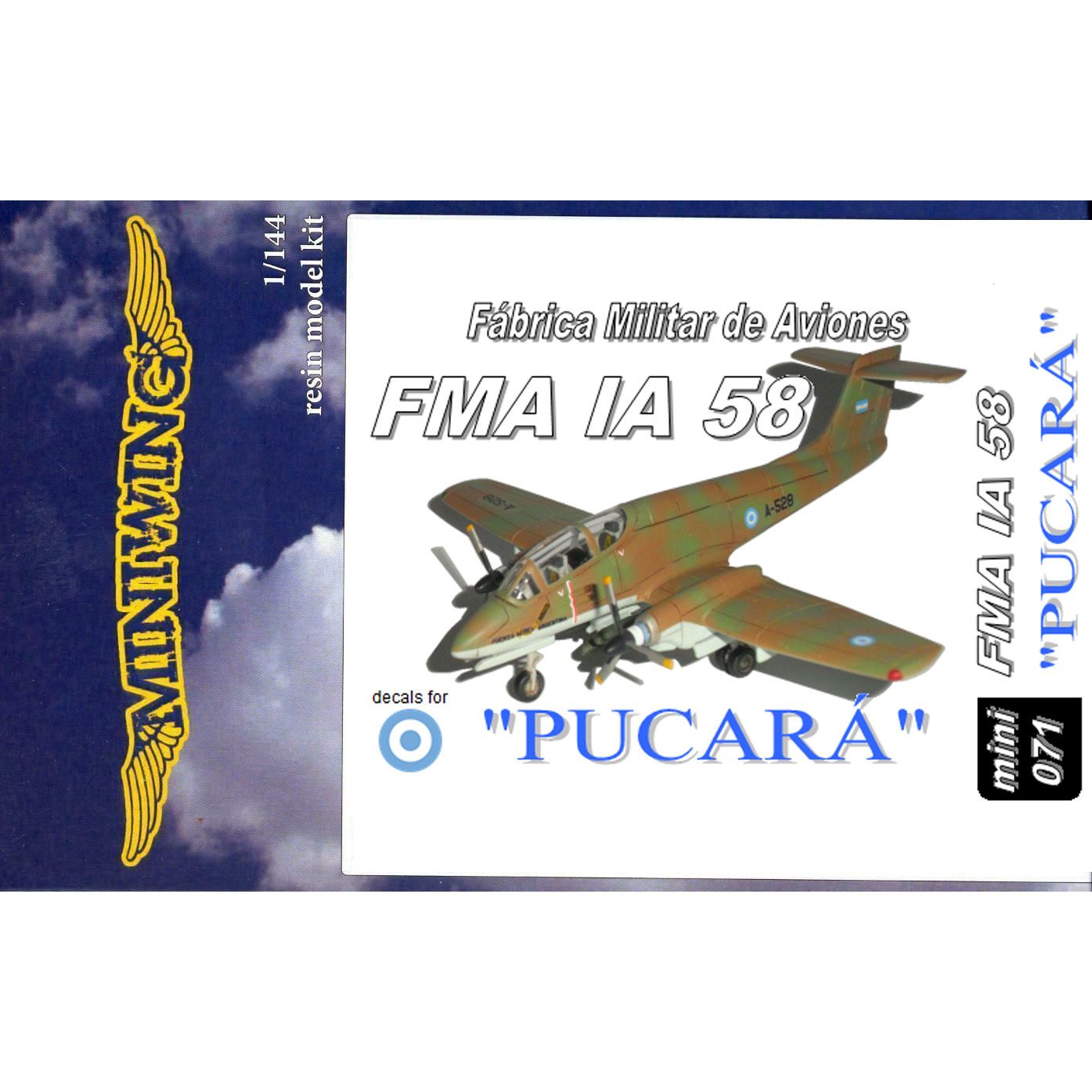
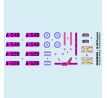

FMA IA-58 PUCARÁ
Argentinian light attack aircraft
Description:
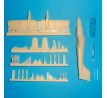
34 resin parts
clear resin + vac canopy
5 photo-etched parts
decals for two versions
| Ref. No.: | mini071 |
| Availability: | IN STOCK |
Products purchased together with this product
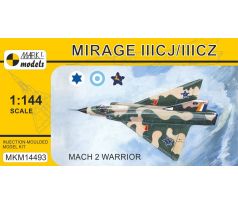
Mirage IIICJ/CZ 'Mach 2 Warrior' (Israeli, Argentinian & South African AF)
Description: This injection-moulded kit contains 49 parts and one clear part (the cockpit canopy).
A comprehensive decal sheet is included.
Colour schemes included in the kit:
1) AMD Mirage IIICJ "Shahak" (Skyblazer), No.84, Black 784, No.119 'Bat' Sq. (119 Tayeset), Israeli Air Force (Kheil HaAvir), Tel Nof Air Base, Israel, 1966-67
2) AMD Mirage IIICJ "Shahak" (Skyblazer), No.07, Black 107, No.117 'The First Jet' Sq. (117 Tayeset), Israeli Air Force (Kheil HaAvir), Ramat David Air Base, Israel, autumn 1973
3) AMD Mirage IIICJ, (ex-Israeli No.12), Black C-703, Escuadron 55 (Sq.), Grupo Aereo 4 de Caza (Air Fighter Group), Argentinian Air Force (Fuerza Aerea Argentina), El Plumerillo Military Air Base (BAM), Argentina, 1987
4) AMD Mirage IIICZ, No.161/ 806, Black 806, No.2 Sq. 'Flying Cheetahs', South African Air Force, Air Force Base Waterkloof, South Africa, 1975
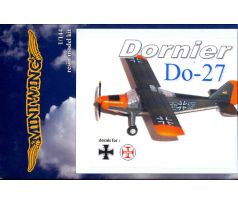
Dornier Do-27
German courier aircraft
Description:
19 resin parts
clear resin canopy
decals for two versions
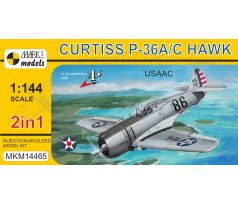
Curtiss P-36 Hawk 'USAAC' (2in1)
Two injection-moulded kits are supplied in this box and each kit contains 30 parts and four clear parts (the cockpit canopy, rear windows and a landing light). A comprehensive decal sheet is included.
Colour schemes included in the kit:
1) Curtiss P-36A Hawk, 48 15P, Black 86, 46th Pursuit Squadron, 15th Pursuit Group, USAAC, Wheeler Field, Oahu, Hawaii, December 1941
2) Curtiss P-36A Hawk, PT 96, 55th Pursuit Squadron, 20th Pursuit Group, USAAC, Barksdale Field, Louisiana, 1940
3) Curtiss P-36A Hawk, 2 15P, 47th Pursuit Squadron, 15th Pursuit Group, USAAC, Haleiwa Fighter Strip, Oahu, Hawaii, December 1941
4) Curtiss P-36C Hawk, Black 69 (Class II experimental camouflage scheme), 27th Pursuit Squadron, 1st Pursuit Group, USAAC, Selfridge Field, Michigan, during National Air Races, Cleveland Airport, Ohio, September 1939
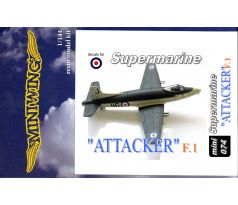
Supermarine ATTACKER F.1
British Carrier based jet fighter
Description:
24 resin parts
1 clear resin canopy
1 vac canopy for expected modellers
8 etched parts
decals for two colors of FAA